Noi planete, căutate de către NASA și SpaceX

NASA‘s Groundbreaking Telescope: A New Era in the Search for Extraterrestrial Life
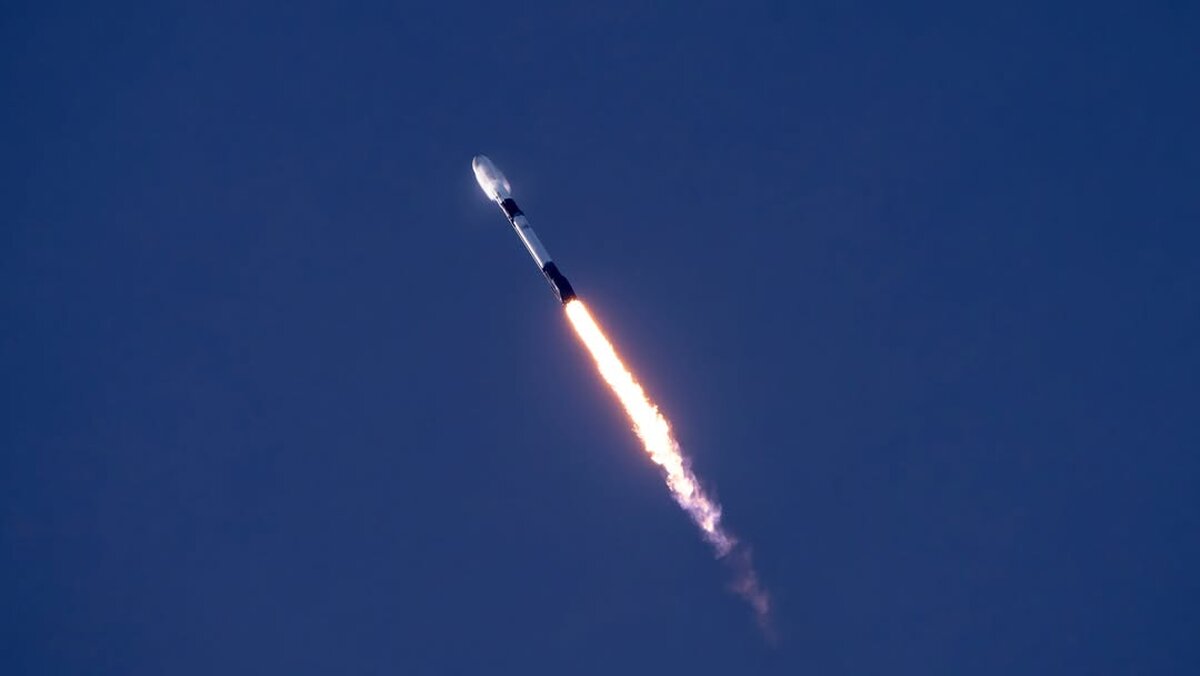
NASA has recently launched an innovative telescope designed to explore the possibility of life beyond our solar system. Over the next two years, this satellite will meticulously survey 200,000 stars in pursuit of Earth-like planets. This ambitious project, with a budget of $337 million, marks NASA’s inaugural mission utilizing a Falcon 9 rocket from the private aerospace company SpaceX.
Anticipated Discoveries: A Glimpse into the Universe
Experts predict that the Transiting Exoplanet Survey Satellite (TESS) could identify around 20,000 exoplanets, with more than 50 of these potentially being similar in size to Earth. Additionally, over 500 of these planets may be twice the size of our home planet.
How TESS Works: The Science Behind the Search
According to Jennifer Burt, a researcher at MIT, „TESS will observe the brightness of thousands of stars, looking for slight dips in luminosity that may indicate a planet passing in front of them. The depth of these dips can reveal the size of the planet, while the timing between these light interruptions can inform us about the planet’s distance from its star.” Thanks to previous missions like NASA’s Kepler, which was the first dedicated planet-hunting mission, we have discovered worlds beyond our galaxy that challenge our understanding of planetary systems. For instance, we know of planets with surfaces likely covered in lava due to their proximity to their stars, or those with ring systems vastly larger than Saturn’s. There are even theories about planets where it might rain rubies from the atmosphere.
The Technology Behind TESS: A Powerful Tool for Astronomers
Equipped with four compact yet powerful cameras, each measuring just 10 centimeters, TESS will pinpoint exoplanets that warrant further investigation by astronomers using larger telescopes. This satellite serves as the successor to the Kepler space telescope, which revolutionized our comprehension of the solar system. When Kepler was launched in 2009, astronomers were already aware of the existence of mysterious planets orbiting distant stars.
Upcoming Milestones: Testing and Calibration
The telescope will undergo a rigorous 60-day testing and calibration phase. The first data is expected to be transmitted back to Earth by June, marking a significant milestone in this groundbreaking mission.
Source: News 24 Romania.