Bătălia pentru cea mai mare rezervă de petrol a lumii.
Source: Financiarul.ro.

Venezuela’s Stance on Potential U.S. Military Action
Jorge Arreaza, the Venezuelan Foreign Minister, has declared that the nation is ready to withstand any military aggression from the United States. „We are prepared for all scenarios. Our first choice is diplomacy, dialogue, and peace,” he stated. However, he emphasized that if the U.S. chooses a military approach, Venezuela possesses a capable armed force, a dedicated populace, and a national militia that can not only defend but also prevail in such a conflict.
Call for Dialogue Amidst Tensions
Arreaza urged for dialogue, pointing out that the opposition is unable to engage in discussions due to restrictions imposed by the United States. Following a failed military coup attempt, where Juan Guaido is recognized as interim president by the U.S. and around 50 other nations, the situation in Venezuela remains fraught with tension. Recently, Washington has intensified its efforts to apply pressure on socialist President Nicolas Maduro.
U.S. Military Options and International Reactions
U.S. Secretary of State Mike Pompeo has indicated that President Donald Trump is prepared to authorize military intervention in Venezuela if deemed necessary. In response, Russian Foreign Minister Sergey Lavrov has called on the U.S. and its allies to abandon their „irresponsible plans” and to act strictly within international law, warning of the repercussions of any reckless actions.
Geopolitical Dynamics and Economic Strategies
Pompeo has also asserted that Russian presence in Venezuela must end, insisting that „all nations interfering with the Venezuelan people’s right to restore democracy should withdraw.” Meanwhile, Arreaza mentioned that the Caracas government is developing „alternative financial systems” with allies like Russia and China to circumvent the American blockade. A Venezuelan delegation is expected to attend the economic forum in St. Petersburg this June, with a potential appearance by President Maduro.
Upcoming Diplomatic Engagements
The prolonged crisis in Venezuela is anticipated to be a focal point during the upcoming meeting between Russian Foreign Minister Sergey Lavrov and U.S. Secretary of State Mike Pompeo, scheduled for Monday at the Arctic Council in Rovaniemi, Finland. As Venezuela’s economy continues to deteriorate, both Moscow and Washington are blaming each other for exacerbating the situation.
Support for Opposition and Military Assistance
Washington backs opposition leader Juan Guaido, who has declared himself interim president, while Moscow has dispatched military advisors to support Maduro’s government. „We do not want anyone to play games with Venezuela,” Pompeo stated during an interview with Fox News prior to his trip to Finland. Meanwhile, Lavrov met with Arreaza in Moscow on the same day.
Impact of U.S. Sanctions on Venezuelan Oil Exports
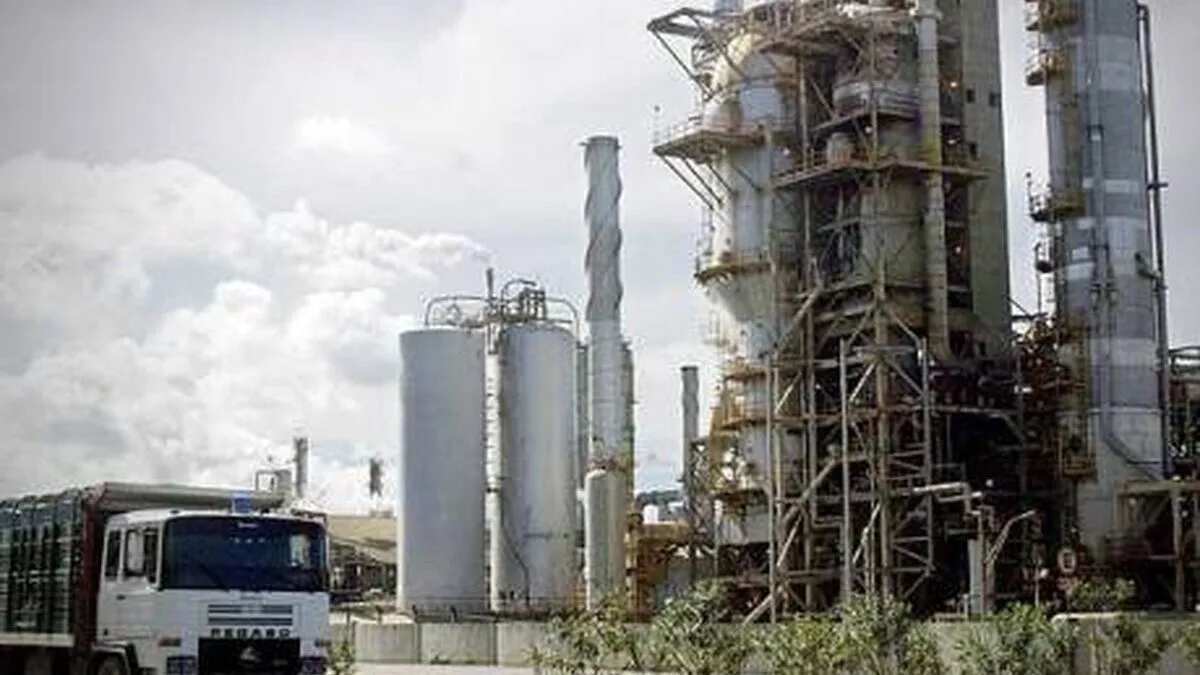
On April 30, the U.S. imposed an embargo on Venezuelan oil, aiming to force President Maduro from power. This embargo prohibits American companies from purchasing oil from the state-owned PDVSA and restricts foreign entities from using the U.S. banking system to trade Venezuelan oil. Despite holding the world’s largest oil reserves, Venezuela was exporting around half a million barrels per day to the U.S. at the end of 2018, with a significant portion of its oil revenue coming from American clients. Citgo, a subsidiary, operates refineries and gas stations across the U.S.
Shifts in Global Oil Trade
In 2017, India was the third-largest importer of Venezuelan oil, but Indian companies have begun to withdraw in light of impending sanctions, leaving China and Russia as Maduro’s primary supporters. Interestingly, while oil exports are crucial, Venezuela’s economy heavily relies on importing 120,000 barrels per day of light crude, which is essential for blending with heavier crude for resale. This shift may force Caracas to seek alternative suppliers, potentially increasing production costs.